
Why Did Omegle Shut Down?(And the Best Alternatives in 2026)
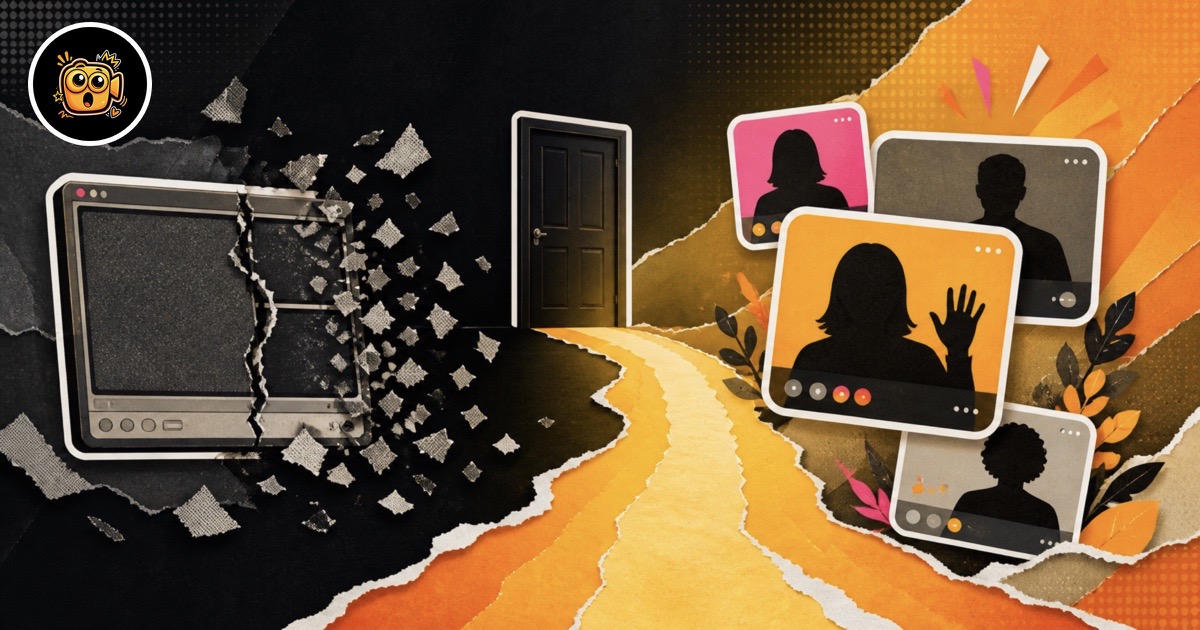

In November 2023, the internet said goodbye to one of its most iconic platforms. After 14 years of connecting strangers across the globe, Omegle — the original random video chat site — went dark without warning. For millions of users who relied on it for spontaneous conversations, late-night chats, and serendipitous connections, the shutdown left a genuine void. But the real question lingers: why did Omegle shut down, and where should its displaced community go in 2026? This article unpacks the full story behind Omegle's closure, the legal and safety pressures that forced its hand, and the best modern alternatives that have stepped up to fill the gap — including platforms that prioritize safety without sacrificing the thrill of random video chat.
The Meteoric Riseof Omegle
Launched in 2009 by then-18-year-old Leif K-Brooks, Omegle was a deceptively simple idea: click a button, get paired with a random stranger, and start a conversation via text or video. No profiles. No swiping. No algorithms. Just pure, unfiltered human connection. The concept exploded in popularity almost overnight.
At its peak, Omegle attracted tens of millions of monthly visitors worldwide. It became a cultural phenomenon — referenced in YouTube videos, TikTok compilations, and late-night talk shows. For a generation growing up on social media feeds and curated personas, Omegle offered something rare: authentic anonymity and the excitement of not knowing who you'd meet next. It paved the way for the entire video chat with strangers category that thrives today.
But that very anonymity — the feature that made Omegle magical — also planted the seeds of its undoing. As the platform scaled, so did the challenges of keeping users safe in an unmoderated environment where anyone could appear on the other side of the screen.

Why Did OmegleReally Shut Down?
The short answer: Omegle was overwhelmed by a combination of legal liability, safety failures, and unsustainable moderation costs. In his farewell letter posted on the site's now-defunct homepage, K-Brooks cited "a constant barrage of attacks" — both from bad actors misusing the platform and from critics who held the site responsible for that misuse. He described the financial and psychological toll of running Omegle as no longer tenable.
The tipping point was a high-profile lawsuit filed in 2021 involving a minor who was exploited on the platform. The case gained significant media attention and cast a harsh spotlight on Omegle's moderation gaps. Although the site had implemented some automated filters and a "moderated" section for users 18+, these measures proved insufficient against determined bad actors. The legal exposure became existential.
It's worth noting that Omegle wasn't alone in facing these pressures. The entire anonymous chat space has been under increasing regulatory scrutiny, especially in the US and EU. But as the category pioneer with the largest user base and the most recognizable brand, Omegle had the biggest target on its back. Rather than fight an unwinnable war against misuse while bleeding money on moderation and legal fees, K-Brooks chose to pull the plug.
The Legal & SafetyChallenges That Sealed Its Fate
Omegle's downfall wasn't sudden — it was the culmination of years of accumulating problems. Unlike modern platforms that use proactive AI moderation, real-time behavior analysis, and human review teams working in tandem, Omegle relied on relatively basic automated filters that struggled to keep pace with evolving misuse tactics.
- Limited moderation infrastructure: Omegle's "moderated" section attempted to filter explicit content, but it was reactive rather than proactive — often catching violations after they occurred.
- No age verification: The platform relied on self-reported age, making it trivially easy for underage users to access adult sections or for adults to interact with minors.
- Encryption as a double-edged sword: End-to-end encryption protected user privacy but also made it nearly impossible to identify bad actors or report specific incidents with actionable evidence.
- Regulatory pressure: Governments in the UK, EU, and US began introducing stricter online safety legislation (such as the UK's Online Safety Act), raising the compliance bar significantly for platforms like Omegle.
These challenges created a perfect storm. When the 2021 lawsuit gained traction, it exposed systemic weaknesses that Omegle couldn't fix retroactively — and the legal settlement costs, combined with the ongoing investment needed to overhaul moderation, made the business model collapse.
Where Did Allthe Users Go?
When Omegle shut down, its massive user base — estimated at over 70 million monthly visits at its peak — scattered across the internet looking for a new home. Some migrated to established competitors like Chatroulette, which had already undergone its own moderation overhaul years earlier. Others flocked to mobile-first apps like Monkey or Azar that offer swipe-based matching and better mobile experiences.
However, many former Omegle users found that no single platform perfectly replicated the original experience. Chatroulette had a reputation for spam. Mobile apps often required downloads, sign-ups, or in-app purchases. Smaller clone sites popped up overnight but lacked the user density to deliver fast, varied connections. This fragmentation created an opportunity for well-designed Omegle alternative platforms to rise — ones that could capture the spontaneity of random matching while adding the safety features Omegle never had.
In 2026, the landscape has matured significantly. The best platforms now combine instant access (no download required), proactive moderation, and features like gender filters or preview modes that give users more control without killing the serendipity.

What Makes a GreatOmegle Alternative in 2026?
The bar has been raised considerably since Omegle's early days. A worthwhile alternative in 2026 needs to check several boxes that go well beyond "can I video chat with a stranger?" Here are the key criteria that separate legitimate platforms from fly-by-night clones:
- Proactive AI moderation: The platform should use machine learning to detect and block policy violations in real time — before users are exposed to harmful content, not after.
- Optional identity verification: While anonymity is part of the appeal, having verified-user badges or optional sign-up creates accountability that deters bad actors.
- Browse or preview features: The ability to see a snapshot of who you're about to connect with — without fully committing — reduces unwanted encounters and improves the overall experience.
- No mandatory downloads: Browser-based platforms respect user privacy and lower the barrier to entry. Nobody wants to install yet another app just to test a service.
- Clear community guidelines: Transparent rules — and consistent enforcement — signal that the platform takes user safety seriously, which in turn attracts a healthier community.
Platforms that deliver on these fronts aren't just safer — they're also more enjoyable to use, because the quality of interactions improves when bad actors are systematically filtered out.

Top Omegle AlternativesWorth Trying in 2026
The market has expanded significantly, and different platforms cater to slightly different preferences. Below is a comparison of several notable options — including OohCam, which has emerged as a strong contender for former Omegle users who want a safer, more controlled experience without losing the excitement of random matching.
| Platform | Key Strength | Sign-Up Required? | Best For |
|---|---|---|---|
| OohCam | Preview mode + proactive moderation | No (free to try) | Safer random chats with control |
| Chatroulette | Established brand + large user base | No | Quick, high-volume matching |
| Monkey | Mobile-first + swipe UI | Yes | Younger mobile users |
| Azar | Language filters + global reach | Yes | Cross-cultural conversations |
OohCam stands out for its browse-before-you-connect approach — you can preview who's on the other side before jumping into a full conversation. This small but meaningful feature addresses one of Omegle's biggest pain points: the anxiety of not knowing what (or who) would appear on your screen. Combined with AI-powered moderation that works proactively rather than reactively, it's a platform built with the lessons of Omegle's failure in mind. If you're looking for a best Omegle alternative that values safety as much as spontaneity, it's worth exploring.
For those who prefer a more Chatroulette-style experience with rapid-fire matching and no frills, that option still exists too — though the moderation quality varies significantly between platforms. The key is to choose a service that aligns with your comfort level and priorities.
Tips for Staying Safeon Random Chat Platforms
Regardless of which platform you choose, practicing good safety habits is essential. Here are actionable tips that apply universally:
- Never share personal information: Your full name, address, phone number, workplace, or financial details should never be disclosed in a random chat — no matter how friendly the stranger seems.
- Use platforms with reporting tools: If a platform doesn't offer a clear way to report inappropriate behavior, that's a red flag. Reputable services make reporting easy and act on reports quickly.
- Trust your instincts: If something feels off about an interaction, end it immediately. You owe nothing to a stranger on the internet — your comfort and safety come first.
- Stick to moderated sections: Many platforms offer moderated and unmoderated zones. Unless you have a specific reason to go unmoderated, the moderated experience is almost always better.
- Test before committing: Platforms that are free to try — like OohCam — let you evaluate the community quality and moderation standards before investing time or money.
Omegle's shutdown taught the internet a hard lesson: anonymity without accountability is a recipe for trouble. The good news is that the industry has learned from those mistakes, and today's video chat with strangers platforms are far better equipped to keep users safe while preserving the magic of random connection.
Frequently AskedQuestions
Why did Omegle shut down in 2023?
Omegle shut down primarily due to mounting legal pressure and safety concerns. The platform faced a major lawsuit related to child safety incidents, and its founder Leif K-Brooks cited the ongoing battle against misuse — combined with the financial and emotional toll of moderation at scale — as the key reasons for closing the site after 14 years of operation.
Is Omegle coming back in 2026?
As of 2026, there is no indication that Omegle will return. The original domain remains offline and the founder has not announced any plans to revive the platform. Most former users have since migrated to modern alternatives that offer better moderation, mobile support, and safety features that Omegle lacked.
What is the safest Omegle alternative?
The safest alternatives are platforms that combine proactive AI moderation, optional sign-up for accountability, and the ability to browse or skip without pressure. OohCam, for example, lets you preview before connecting and maintains strict content guidelines — offering a safer random video chat experience while keeping the spontaneity that made Omegle popular.
Can I use OohCam without signing up?
Yes — OohCam is free to try without requiring registration. You can jump into random video chats instantly. Creating an account unlocks additional features, but the core experience works right away with no sign-up needed, making it easy to test the platform before committing.
Are random video chat sites legal?
Yes, random video chat platforms are legal in most jurisdictions. However, they must comply with local regulations around content moderation, age verification, and user safety. Reputable platforms in 2026 invest heavily in moderation tools and clear community guidelines to operate legally and protect their users.

Ready to experience random video chat done right? Join thousands of former Omegle users who've found a safer, smarter way to connect.